
Beyond serving as an energy source, lipids play indispensable roles in both the structure and function of cellular membranes. Diet, pathophysiological processes, environmental exposures, and nutritional or pharmaceutical interventions may influence membrane composition.
Why membrane lipids matter
Lipid replacement therapy (LRT) is an approach that supplies selected membrane lipids, including phospholipids, with the goal of supporting damaged or depleted cellular membranes. Research in this area has examined fatigue, pain, mitochondrial dysfunction, aging, and complex chronic illness.
Dr. Doniparthi’s work builds on LRT
- Refinement of protocols: optimizing the treatment process and the substrates used within a clinical framework.
- Clinical applications: exploring where membrane support may be relevant within complex medical conditions.
- Mechanistic insights: studying how phospholipids, plasmalogens, and supportive substrates influence cellular function.
- Patient outcomes: evaluating real-world health outcomes and quality of life through clinical observation and research.
Standing on the shoulders of a giant
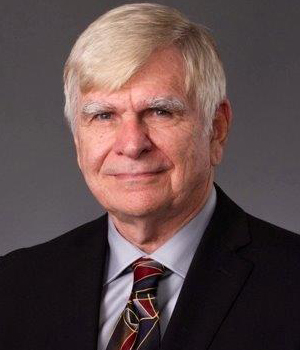
Dr. Garth Nicolson’s research into cell-membrane structure, mitochondrial function, and membrane lipid replacement helped establish the scientific foundation on which DNADR’s educational and clinical work builds.
Read the archived Study of LRT PDFReferences
- Nicolson GL, Ferreira de Mattos G, Ash M, Settineri R, Escribá PV. Fundamentals of Membrane Lipid Replacement. DOI